
Protection That Bonds Permanently to Prepared Paint
Ceramic Coatings in Fort Myers for vehicles requiring long-lasting UV protection and hydrophobic surface performance
Ceramic coatings bond to automotive paint using advanced hydrophobic nano-ceramic technology, creating a protective layer that resists UV degradation, chemical etching, and environmental contamination. Driven by Shine applies ceramic coatings only after proper surface preparation, because the coating permanently preserves whatever condition exists on the paint at the time of application—including swirl marks, oxidation, and scratches if those defects are not corrected beforehand. This process begins with a paint inspection to assess clear coat condition, followed by correction to remove defects, thorough decontamination to ensure proper bonding, and coating application in controlled conditions.
Ceramic protection provides UV resistance that slows oxidation and fading caused by Florida's intense sun exposure, chemical resistance against bird droppings and tree sap that would otherwise etch unprotected clear coat, improved gloss from the coating's light-refracting properties, water-beading performance that causes rain and wash water to sheet off treated surfaces, and easier maintenance because contaminants do not bond as strongly to the hydrophobic surface.
Request a paint inspection to determine whether your vehicle's clear coat condition requires correction before ceramic coating installation.
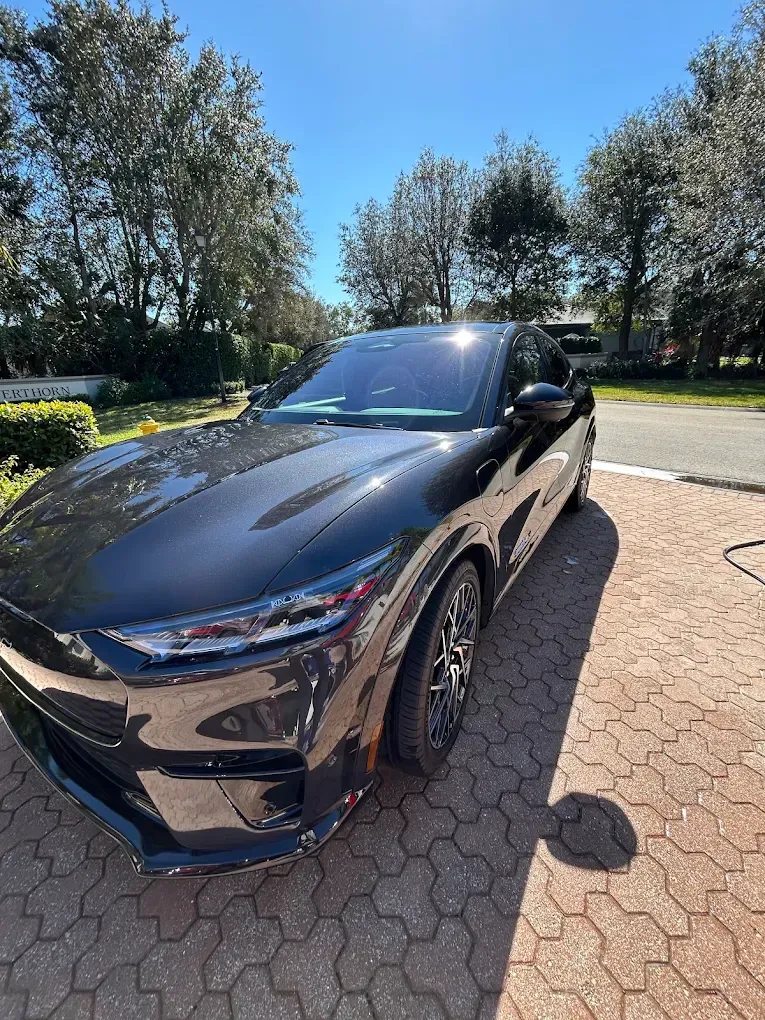
Why Surface Preparation Determines Coating Performance and Longevity
Paint correction removes swirl marks, oxidation, water spots, and light scratches by machine polishing the clear coat to create a uniform surface, because ceramic coatings enhance and lock in whatever appearance exists before application rather than covering up defects. Decontamination using clay bar treatment and iron removers eliminates bonded particles that would prevent the coating from achieving molecular adhesion to the paint. Panel-by-panel application in controlled lighting allows proper leveling of the coating before it cures, which affects final appearance and hydrophobic performance.
After curing, you notice water beads into tight spheres and rolls off painted surfaces rather than spreading into flat sheets, contaminants like bug residue and road grime rinse away with less scrubbing effort during washes, and the paint maintains consistent gloss even after months of exposure to sun and weather. The coating does not eliminate the need for washing, but it reduces the mechanical effort required and extends time between cleaning sessions because dirt adheres less aggressively to treated surfaces.
Ceramic coatings last multiple years when maintained properly, but longevity depends on wash methods used, exposure to abrasive automatic car washes that degrade the coating over time, and whether maintenance products compatible with ceramic surfaces are applied during routine care. One-step correction suits vehicles with minor defects, while multi-stage correction is necessary for heavily oxidized or swirl-marked paint that requires more aggressive clear coat leveling.
Answers to Frequent Coating Questions
Customers considering ceramic coatings typically ask about preparation requirements, performance expectations, and maintenance obligations after installation.
What happens during the paint inspection before coating application?
The inspection evaluates clear coat thickness to confirm enough material remains for safe correction, identifies defects including swirl marks and oxidation that require removal, and assesses contamination levels to determine the preparation steps necessary before coating can bond properly.
Why does ceramic coating cost more than traditional wax or sealant?
Ceramic coatings require paint correction to remove defects before application, multi-step decontamination to prepare the surface for molecular bonding, precise application techniques to achieve uniform coverage without high spots, and curing time in controlled conditions. These preparation and installation requirements involve significantly more labor and material cost than applying wax, but the coating lasts years rather than months.
How does ceramic coating perform in Fort Myers' combination of sun and humidity?
Ceramic coatings provide UV protection that slows oxidation and fading caused by prolonged sun exposure, while hydrophobic properties prevent water spots from forming as easily when rain dries on the paint surface. The chemical resistance also protects against etching from bird droppings and tree sap, which are common in Florida's environment.
What maintenance does ceramic coating require to preserve performance?
Coated vehicles should be washed using pH-neutral soap without wax additives that can interfere with hydrophobic performance, dried with clean microfiber towels to prevent water spot formation, and kept away from automatic car washes with abrasive brushes that gradually degrade the coating surface.
Can ceramic coating be applied over existing wax or sealant?
No, because wax and sealant create a barrier layer that prevents the coating from bonding directly to the clear coat. All previous protection products must be removed through decontamination and polishing before ceramic coating installation.
Driven by Shine performs paint inspections to provide honest assessments of correction requirements and coating suitability based on your vehicle's current condition. Schedule an inspection to receive a personalized coating recommendation with transparent preparation and cost details.